
From our Jun 2026 archive. Details reflect the original publication date.
What happened
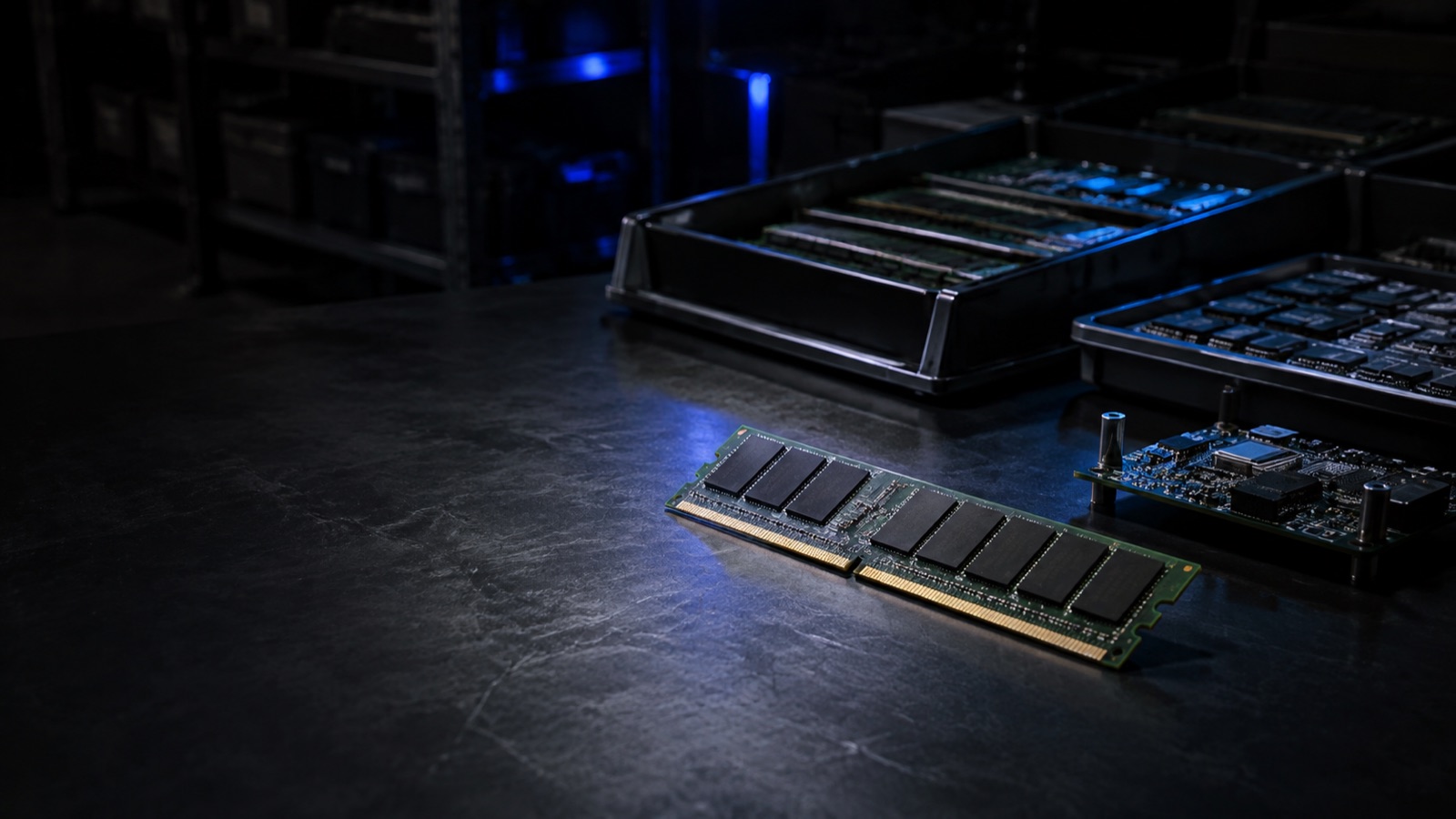
Rising memory costs are putting pressure on consumer hardware plans. Reports published in June linked Nothing’s cancelled CMF phone to changed RAM economics and warned that even large device makers could face higher costs.
Memory is needed across phones, computers, servers and other devices. When supply becomes tight, manufacturers compete for a component they cannot simply leave out of a finished product.
Why it matters
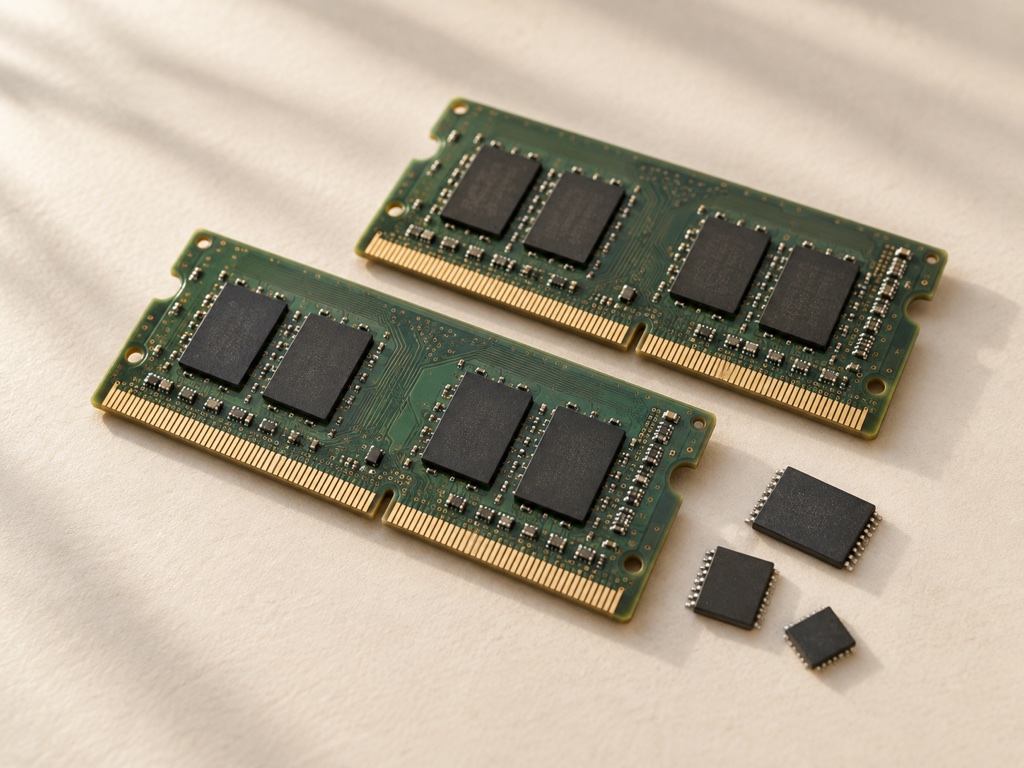
A manufacturer facing higher costs can raise the retail price, accept a smaller margin, reduce specifications or change its release schedule. Affordable devices are particularly exposed because a small component increase takes up a larger share of their already narrow margin.
Larger companies have more negotiating power and more options for securing supply. That can soften the impact, but it does not remove the pressure when many product categories need the same components.
What to watch
For buyers, the important changes are the final price and configuration. Two models with similar names may offer different amounts of memory, and a replacement product may cost more without delivering a meaningful improvement.
Check the exact specification and release timing before treating a new model as an upgrade. A cancelled or delayed device does not automatically make another product a bargain. The useful comparison is still what you receive for the price you actually pay. Start by separating RAM from storage before budgeting for either.