
Product spotlight
TOPDON TC001: understand what a phone thermal camera can show
A complete guide to native sensor resolution, Android compatibility, temperature specifications and the limits of interpreting thermal images.
Researched · Researched buying guide
The short answer
We recommend TC001 for a compatible Android user who wants to explore surface-temperature patterns and is willing to learn how to interpret them. It is not an iPhone accessory, a camera that sees through walls or a substitute for a professional diagnosis when a fault needs confirmation.
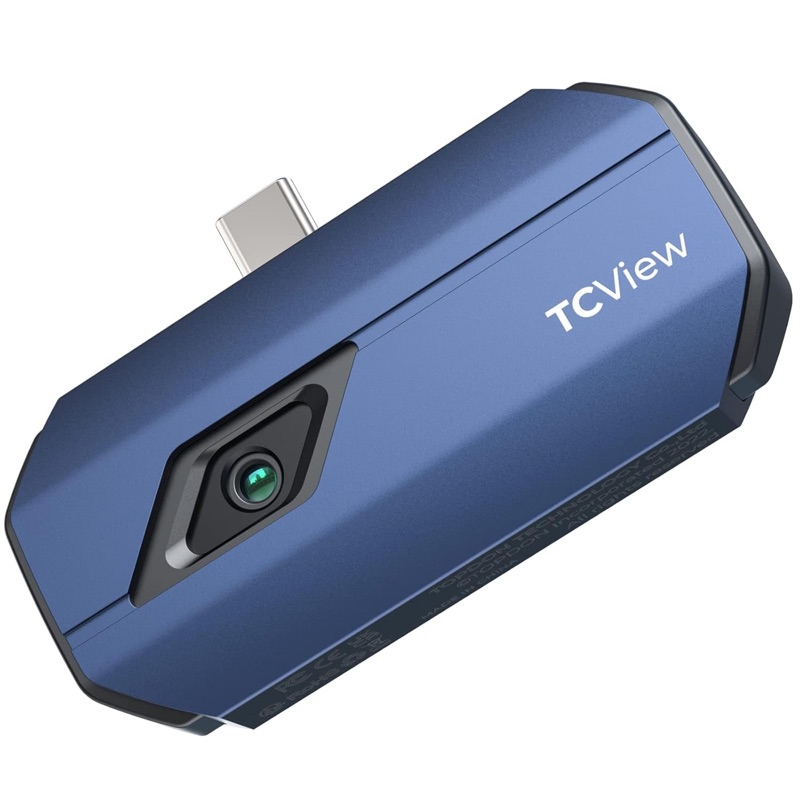
For surface-temperature investigations
TOPDON TC001
Standard TC001 USB-C thermal camera for supported Android devices, with Windows software support. USB-C iPhones are not made compatible merely by sharing the connector.
Check it out: TOPDON TC001 on Amazon.de (opens a new tab)Image: TOPDON / Amazon.de product listing
Affiliate links may earn us a commission. Compare the exact variant and current price before buying. Specifications are manufacturer claims, not our own test results.
Choose the question before choosing the camera
A thermal camera adds a view of surface-temperature differences to an ordinary visual inspection. That can make a warm component or a cooler patch around a window easier to notice. The useful starting point is a specific question and a plan for comparing similar surfaces under similar conditions.
A coloured image is not a diagnosis by itself. A pattern might suggest where to investigate further, but it cannot establish the cause of every difference. Treat the TC001 as an observation tool and decide what other evidence would be needed before acting on a suspected insulation, moisture or equipment problem.
Native resolution and processed images are different
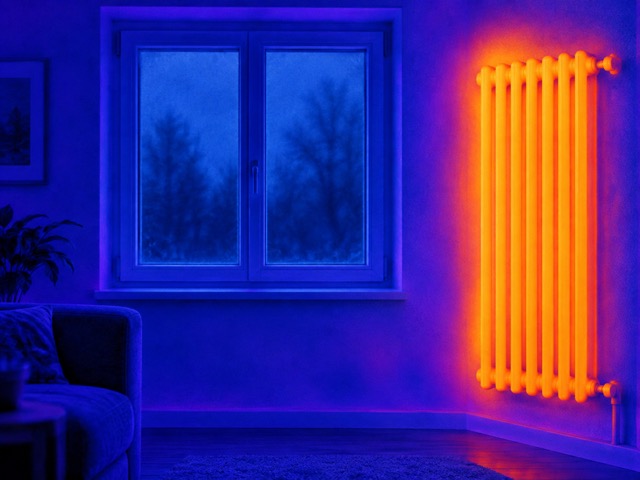
The TC001 sensor has 256 × 192 infrared pixels, giving 49,152 sensing pixels. The checked Amazon listing also advertises 512 × 384 output using TISR enhancement. That larger processed image size does not turn the underlying detector into a native 512 × 384 sensor.
This distinction matters when judging small details. Processing can change how an image looks, but it does not justify treating every extra output pixel as an independent temperature measurement. The 25 Hz frame rate describes how frequently images update; it is a separate specification from spatial detail and measurement accuracy.
Check the whole phone connection
TC001 uses USB-C and draws power from its host. For phone use, confirm that the Android device supports the required USB OTG connection and the current compatible TOPDON app. A connector that physically fits is only one part of compatibility. A thick phone case can also prevent a secure connection.
This model is not an iPhone or iPad thermal camera, including when the Apple device has USB-C. Windows support uses the appropriate TOPDON software and connection arrangement. Check the manufacturer’s current requirements before purchasing; do not assume an adapter can turn unsupported software or hardware into a supported setup.
Sensitivity is not absolute temperature accuracy
The published NETD of less than 40 mK describes sensitivity to small thermal differences under the stated test conditions. It does not mean every reported temperature is accurate to 0.04°C. TOPDON separately states measurement accuracy of ±2°C or 2%, with the applicable conditions and range needing attention.
Similarly, a display that changes in 0.1°C steps is not a promise of 0.1°C absolute accuracy. The two stated measurement ranges extend from −20 to 150°C and from 150 to 550°C. Select settings appropriate to the task and avoid reporting more certainty than the measurement conditions support.
Reflective surfaces can change the story
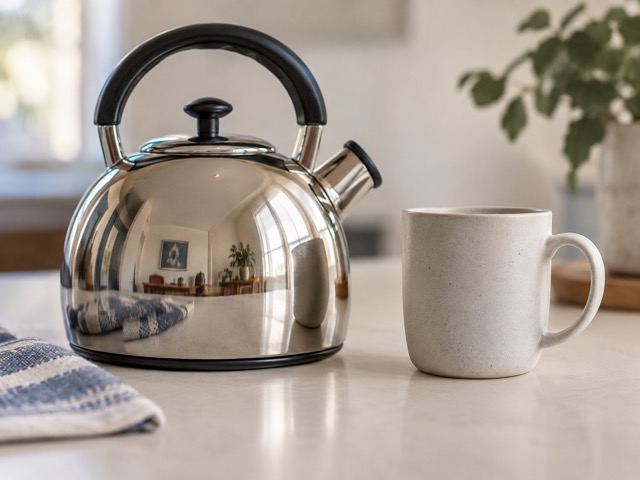
Infrared measurements depend on the surface and how it emits and reflects radiation. Shiny metal can reflect its surroundings in ways that make a displayed temperature misleading. Emissivity settings and viewing conditions therefore matter, especially when comparing different materials in the same image.
Ordinary glass and walls also prevent this camera from providing a direct view of whatever lies behind them. A cool patch on a wall is a surface pattern, not proof that the camera has seen a pipe or a leak inside it. Use a second method to verify the suspected cause before planning a repair.
Make observations that you can compare later
Save useful images with enough context to understand them later: the location, surface, conditions and relevant settings. Compare the same area from a similar viewpoint when possible. A changing colour palette can make two captures look dramatically different even when the underlying temperature pattern is similar.
Keep an ordinary photograph alongside a thermal view when that helps identify the location. The illustration in this article is a visual concept, not a TC001 capture or a measured example. For electrical equipment or other hazardous situations, keep the observation within your competence and use a qualified professional for investigation that requires opening or approaching unsafe equipment.
Our recommendation: useful when interpretation is part of the job
TC001 is worth considering for an Android owner who wants a compact thermal accessory and understands the limits of surface measurement. Its small body avoids a separate camera screen and battery, but that convenience also means the phone, app and connection become part of the working system.
Choose an appropriate alternative if you need iPhone support, a self-contained instrument or a verified professional measurement workflow. Do not buy it expecting to see through structures or identify every fault automatically. This recommendation is based on manufacturer documentation and the exact retailer listing; we have not performed independent accuracy or diagnostic tests.
Technical details
Specifications and compatibility.
| Specification | Details |
|---|---|
| Native infrared sensor | 256 × 192 pixels: 49,152 temperature-sensing pixels |
| Advertised enhanced image size | 512 × 384 with TISR processing; not native sensor resolution |
| Frame rate | 25 Hz |
| Thermal sensitivity (NETD) | Less than 40 mK at 25°C, F/1.0 and 25 Hz |
| Temperature ranges | −20 to 150°C and 150 to 550°C |
| Stated measurement accuracy | Manufacturer states ±2°C or 2%; conditions and range apply |
| Displayed temperature precision | 0.1°C; not the same as absolute accuracy |
| Infrared wavelength band | 8–14 µm |
| Connection | USB-C; powered by the host device |
| Phone compatibility | Supported Android device with USB OTG and compatible app |
| iPhone / iPad support | Not supported by this TC001 model |
| Computer support | Windows with the supported TOPDON software |
| Display | Uses the connected phone or computer screen |
| Internal battery | No separate camera battery to charge |
| Dimensions | 71 × 42 × 14 mm |
| Weight | 30 g |
| Measurement subject | Infrared radiation from visible surfaces; cannot see through walls |
| Interpretation settings | Emissivity and measurement conditions affect reported temperatures |