
2 perspectives. One decision.
DT 770 PRO 80 Ohm vs HD 600: recording isolation or open listening?
Compare two wired headphones by listening space, sound leakage, amplifier requirements and long-term upkeep.
Researched · Specification comparison
The short answer
Choose DT 770 PRO 80 Ohm for recording where limiting playback leakage matters. Choose HD 600 for quiet-room listening where an open earcup is acceptable. Neither supplies wireless audio, active noise cancellation or a microphone.
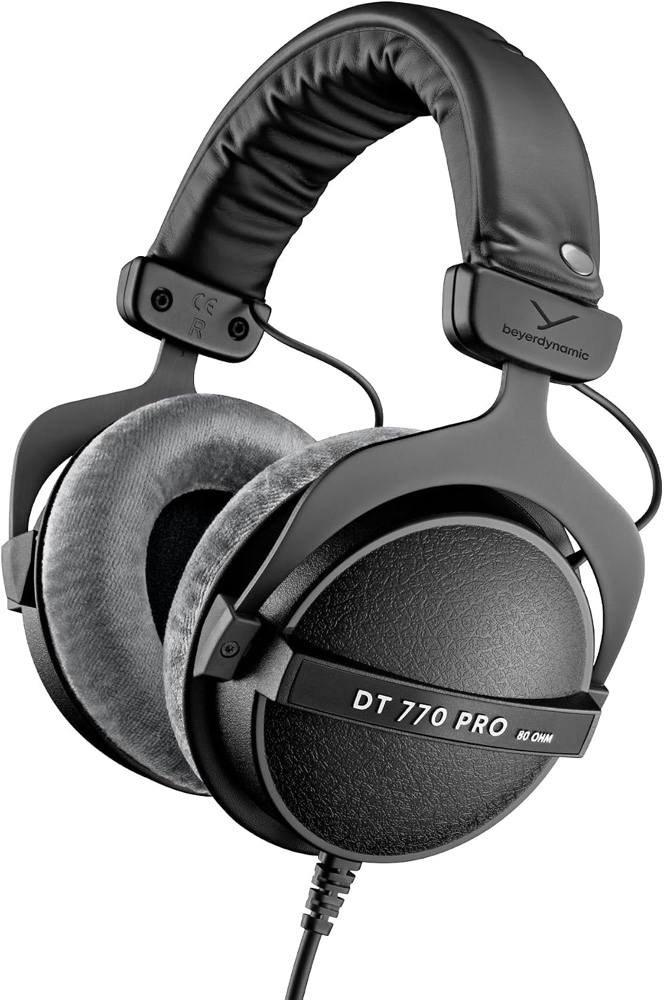
For recording and monitoring
DT 770 PRO · 80 Ohm
One black 80-ohm DT 770 PRO with grey velour pads, fixed straight cable, adapter and bag.
Check it out: beyerdynamic DT 770 PRO 80 Ohm on Amazon.de (opens a new tab)Image: beyerdynamic / Amazon.de product listing
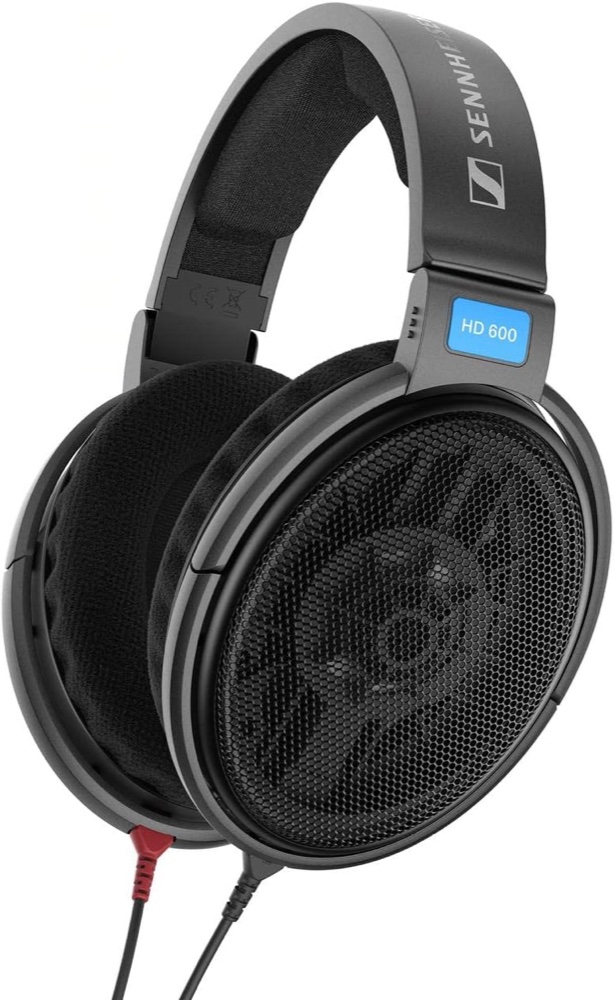
For a quiet listening space
Sennheiser HD 600 · V2
One black/grey HD 600 V2, 300 ohms, detachable cable and jack adapter; no amplifier.
Check it out: Sennheiser HD 600 on Amazon.de (opens a new tab)Image: Sennheiser / Amazon.de product listing
Affiliate links may earn us a commission. Compare the exact variant and current price before buying. Specifications are manufacturer claims, not our own test results.
Let the room decide first

Closed DT 770 earcups make more sense when a nearby microphone must pick up your voice without much headphone playback. They also reduce some outside sound passively. The result depends on fit and listening level.
HD 600’s open grilles allow sound in both directions. That suits a quiet private room, but is a poor match for a shared office, public transport or recording beside a sensitive microphone. Open construction is a practical tradeoff, not a universal quality ranking.
Check the source before adding an amplifier
Impedance alone does not tell you how loudly a headphone will play. The HD 600’s 300-ohm load and voltage-referenced sensitivity make the source’s available output worth checking. DT 770’s 80-ohm version also needs a suitable headphone output.
Start with the equipment you intend to use. If comfortable listening requires nearly maximum volume or peaks become distorted, investigate the source. Do not compare sensitivity numbers without checking their measurement reference.
Choose a wired routine you can live with

Both use analogue cables and include a larger jack adapter. HD 600’s cable disconnects at the earcups, making replacement straightforward. DT 770’s three-metre straight cable is fixed and enters one side.
These are long cables for a desk or listening chair, not pocket-friendly wireless headphones. Neither has a call microphone, active cancellation or battery. A phone without an analogue socket needs a suitable audio adapter or external headphone output.
Keep variants and measurements separate
The checked DT 770 is the black 80-ohm model with grey velour pads. Amazon’s stray in-ear label is incorrect. The HD 600 listing says V2 and shows the black/grey finish.
Sennheiser’s manual specifies a 3.5mm plug with a 6.35mm adapter, despite reversed wording in the listing description. We use cable-free weights consistently. Neither the wider advertised frequency range nor a larger impedance establishes better sound in a listening comparison.
Allow time for fit and maintenance
Replaceable pads help both headphones remain serviceable, but pad condition can change the seal and listening experience. Check that the headband adjustment and ear opening work for you before settling into long sessions.
DT 770 is the practical starting point for closed recording monitoring; HD 600 is for open listening in a quiet room. We have not auditioned these units together, so tonal preference, clamp comfort and perceived detail remain personal rather than tested conclusions.
Side by side
The differences that matter.
On smaller screens, swipe across the table to compare all products.
| At a glance | DT 770 PRO · 80 Ohm | Sennheiser HD 600 · V2 |
|---|---|---|
| Linked version | 80-ohm, grey velour; B0016MNAAI | HD 600 V2 black/grey; B07Z82Y8BR |
| Acoustic design | Dynamic, closed-back | Dynamic, open-back |
| Ear coupling | Circumaural / over-ear | Circumaural / over-ear |
| Nominal impedance | 80Ω | 300Ω |
| Manufacturer frequency range | 5–35,000Hz | 12–40,500Hz (−10dB) |
| Sensitivity reference | 96dB SPL; see manufacturer measurement conditions | 97dB SPL at 1kHz, 1V RMS |
| THD | Less than 0.2% under manufacturer conditions | Up to 0.1% at 1kHz, 1V RMS |
| Nominal power handling | 100mW | 200mW, DIN 45580 |
| Weight without cable | 270g, manufacturer datasheet | Approximately 260g |
| Cable | 3m straight, fixed, single-sided | 3m detachable, two-sided OFC copper |
| Audio plug | 3.5mm stereo; 6.35mm screw-on adapter | 3.5mm stereo; 6.35mm adapter, per manual |
| Noise isolation | Passive closed enclosure; fit-dependent | Open construction; lets surrounding sound in and playback out |
| Active cancellation | None | None |
| Wireless / battery | None; analogue wired only | None; analogue wired only |
| Microphone / remote | Neither | Neither |
| Pads | Replaceable grey velour | Replaceable velour |
| Headband pressure | Firm studio fit; datasheet approximately 3.5N | Approximately 6N ±1N, per manual |
| Included accessories | 6.35mm adapter and drawstring bag | Detachable cable and 6.35mm adapter |
| Source requirement | Headphone output suited to its impedance and required level | Headphone output with sufficient voltage for 300Ω |
| Version exclusions | Not DT 770 PRO X, 32-ohm or 250-ohm variants | Not HD 650, HD 660S2 or a wireless model |