
From our Jun 2026 archive. Details reflect the original publication date.
A full stadium is not the same as a profitable city
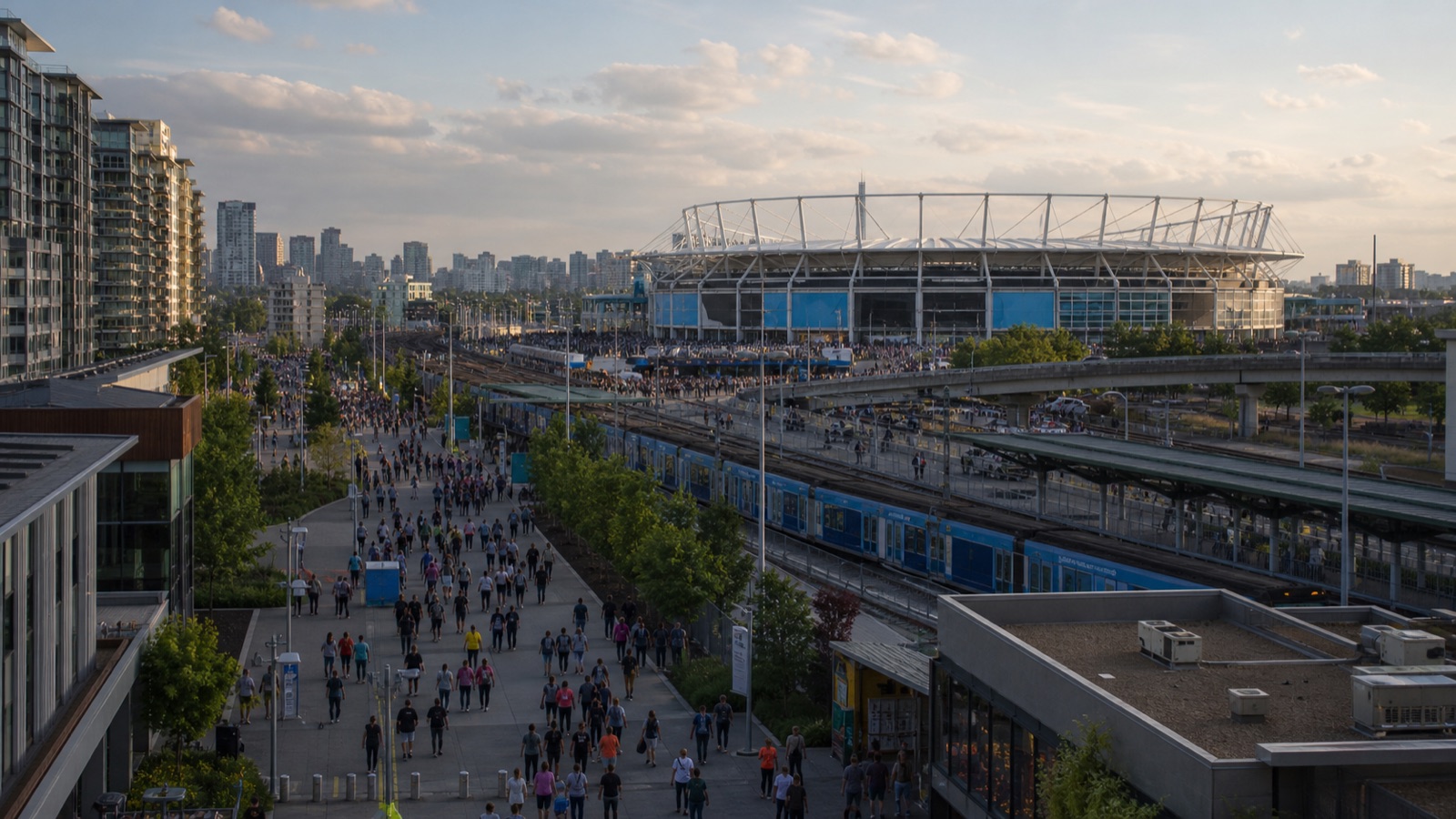
The 2026 World Cup will give host cities a rare surge of global attention, visitors, hotel demand, transportation pressure, and local spending. That makes it easy to describe the tournament as an economic boom. But the more useful business question is harder: how much of that activity becomes durable local value after the final whistle? A packed stadium creates energy. It does not automatically create a strong return on public effort, city spending, or business disruption.
This is the difference between event excitement and event economics. A mega-event can lift hotel occupancy, restaurant traffic, airport volume, rideshare demand, merchandise sales, and media exposure. It can also create security costs, transit strain, road closures, staffing pressure, temporary price spikes, and uneven benefits across neighborhoods. The headline number rarely tells the whole story because the costs and gains land on different groups.
Why cities chase mega-events anyway
Cities chase events like the World Cup because they sell a powerful bundle: tourism, global branding, business visibility, civic pride, and the possibility of repeat visitors. A city can spend years trying to rebrand itself, then receive weeks of international attention because fans, broadcasters, sponsors, and teams all arrive at once. That attention has value, especially for cities trying to prove they can handle major business, travel, and entertainment demand.
The problem is that attention is not the same as cash flow. Local leaders still have to convert attention into measurable outcomes: hotel taxes, restaurant sales, future tourism, private investment, better infrastructure use, and stronger local business networks. If the event creates a spike and then disappears, the city has rented attention. If the event improves the city’s capacity to host, move, feed, and retain visitors later, the city has built a longer-term asset.